
Saints Cosmas and Damian
Saints Cosmas and Damian were Christian physicians who treated the sick without asking for payment. Their...
Read More →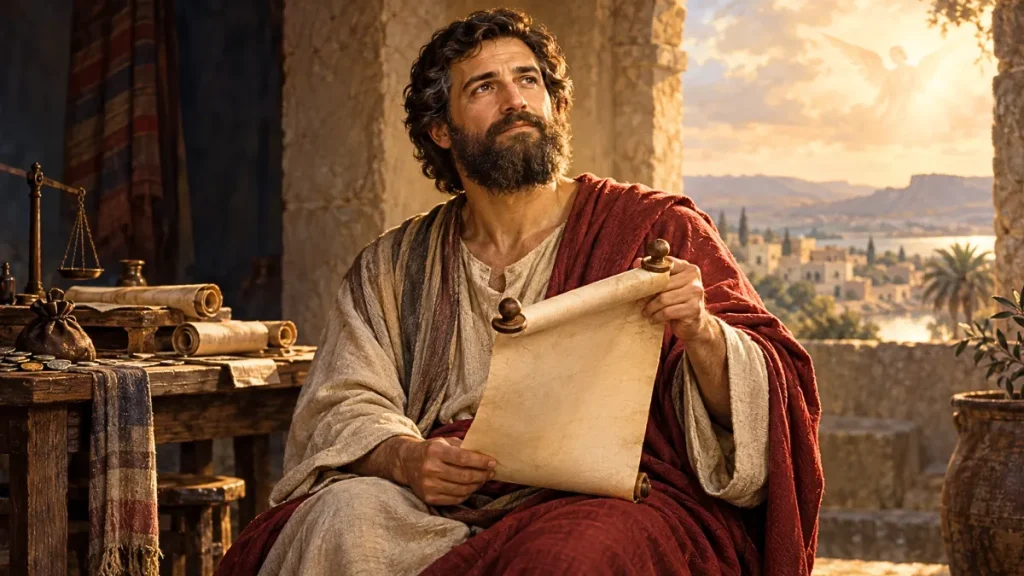
Saint Matthew was sitting at his tax office when Jesus passed by and called him. One invitation divided his life into two parts: the man he had been and the disciple he was about to become. Read today’s Catholic Daily Readings here.
Saint Matthew was one of the Twelve Apostles chosen by Jesus. The Gospel presents him as a tax collector sitting at his place of work when Christ called him. Mark and Luke describe the tax collector as Levi, while Matthew’s Gospel names him Matthew.
His name means “gift of God.” This is fitting because his life became a sign that no person is beyond the reach of grace. A man rejected by society became an Apostle and a messenger of the Gospel.
Tax collectors were widely disliked. They collected money for Roman rule, and some became rich by demanding more than was required. Religious people often treated them as public sinners.
Jesus saw Matthew sitting at the tax office. Others saw a traitor and a sinner. Jesus saw a disciple who could rise.
Matthew did not ask for more time or offer excuses. He stood up and followed Jesus. Rising from the tax office meant more than leaving a chair. He left behind an old way of life and stepped into friendship with Christ.
After his call, Matthew welcomed Jesus to a meal. Other tax collectors and people known as sinners also came. The religious leaders complained because Jesus was eating with such people.
Jesus answered them with the image of a physician coming for the sick. He made clear that His mission was to call sinners. Christ did not approve of sin. He came close to sinners so that grace could change them.
Matthew had once sat at a table where money was counted. Now he prepared a table where mercy was shared. The house of a sinner became a place where others could meet the Saviour.
The ancient Church consistently connected Saint Matthew with the first Gospel. His Gospel presents Jesus as the fulfilment of God’s promises and frequently shows how the Old Testament points toward Christ.
Saint Matthew is often represented in sacred art with a winged human figure. This symbol points to the human family line of Jesus with which his Gospel begins and to the mystery of the Son of God becoming truly human for our salvation.
Ancient traditions say that Matthew preached the Gospel beyond his homeland. Details about his later travels and death differ among early traditions. The Church honours him as an Apostle and martyr without claiming certainty about every part of his final years.
Because he worked as a tax collector, Saint Matthew is honoured as a patron of accountants, tax officials, customs officers, bankers, and people who work with financial records.
His patronage carries a clear message. Money must be handled with truth, fairness, and concern for the poor. Saint Matthew reminds those who manage accounts that numbers are connected to real people and that honest work can become a service to God.
Saint Matthew teaches us that Jesus does not call us only after we have repaired everything. He calls us while we are sitting among unfinished accounts, old habits, and hidden regrets.
The call of Christ always asks for movement. Matthew had to rise. We may need to leave dishonest work, seek Confession, repair a relationship, return something taken unfairly, or stop using our past as an excuse.
Jesus saw more in Matthew than Matthew may have seen in himself. The same Lord looks at us with mercy. Our past explains part of our story, but it does not have the right to write the final page.
Lord Jesus, You called Saint Matthew from the tax office and made him an Apostle of Your mercy. Call me away from every habit that keeps me from following You. Give honesty to those who manage money and public duties, courage to those beginning again, and mercy to every sinner who longs to come home. Saint Matthew, pray for us. Amen.
May Saint Matthew help us rise without delay and follow Jesus with an undivided heart. Read today’s Catholic Daily Readings. 🙏
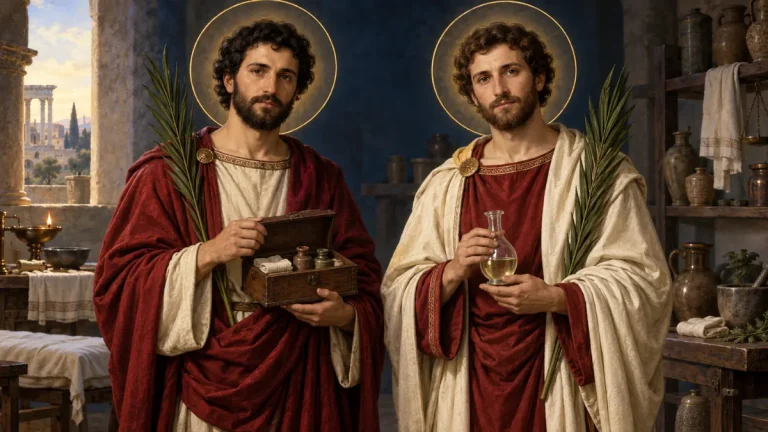
Saints Cosmas and Damian were Christian physicians who treated the sick without asking for payment. Their...
Read More →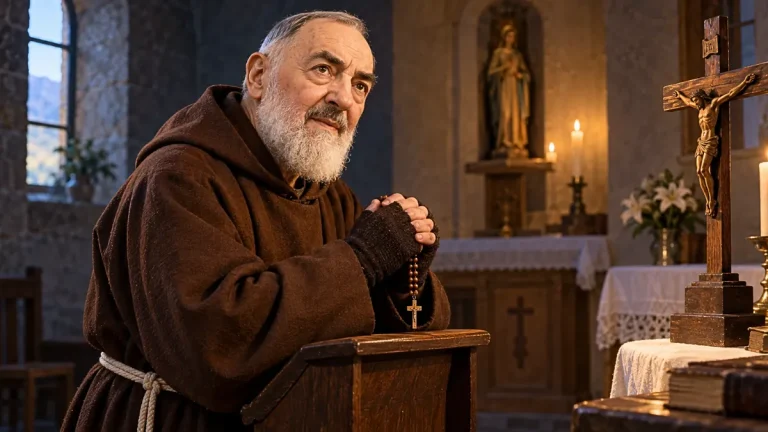
Saint Pio of Pietrelcina spent much of his life in one quiet friary, yet people travelled...
Read More →
The Korean Martyrs show what can happen when ordinary people treasure Jesus more than safety, comfort,...
Read More →Choose one simple response after prayerful reading.