
Saint Lawrence Ruiz
He was an ordinary husband and father who never set out to be a hero. He...
Read More →
Saints Cornelius and Cyprian lived far from each other, but faith joined them during one of the Church’s hardest struggles. One served as Pope in Rome. The other served as Bishop of Carthage. Through letters, prayer, and shared courage, they defended a Church that offered both truth and mercy. Read today’s Catholic Daily Readings here.
Saint Cornelius was Pope during the third century. Saint Cyprian was the Bishop of Carthage in North Africa. They guided Christian communities during persecution, division, and fear.
The two bishops did not serve in the same city. Yet their letters reveal a strong bond of faith and friendship. They supported each other while defending the unity of the Church and the power of God’s mercy.
The Church remembers them together on 16 September. Their shared memorial honours two shepherds who stood together in life and remained united in martyrdom.
Emperor Decius began a harsh persecution of Christians in the year 250. People were ordered to offer sacrifice to the Roman gods. Those who refused could face prison, torture, or death.
Many Christians remained faithful. Some became martyrs. Others became frightened and denied their faith or took part in pagan sacrifices. When the persecution weakened, many of these fallen Christians wanted to return to the Church.
This created a painful question. Should Christians who had denied Christ be forgiven? Some wanted to reject them forever. Others wanted to welcome them without any sign of repentance. The Church needed a path that honoured both truth and mercy.
Cornelius was elected Pope in the year 251 after the Church in Rome had gone for many months without a bishop because of persecution. He entered his ministry at a dangerous and divided time.
A priest named Novatian opposed Cornelius and took a much harder position. He argued that Christians who had denied the faith during persecution could not be restored to full communion. This dispute led to a serious division.
Pope Cornelius taught that grave sin required real repentance, but he also defended the Church’s power to forgive. A sinner who truly repented could be reconciled after suitable penance. Cornelius knew that mercy was not weakness. It was part of the mission Christ had given His Church.
Cyprian was born into a wealthy pagan family in Carthage. He was well educated and became known as a skilled speaker and teacher. As an adult, he accepted the Christian faith, received Baptism, and changed the direction of his life.
He used his gifts to serve the Church and was later chosen as Bishop of Carthage. His ministry was not easy. He faced persecution from outside the Church and serious arguments within it.
Like Cornelius, Cyprian believed that Christians who had denied the faith could return after sincere repentance. He opposed both careless forgiveness without conversion and harsh judgment without mercy.
Cyprian recognised Cornelius as the true Bishop of Rome and supported him during the division caused by Novatian. Their letters show mutual respect, encouragement, and concern for the Church.
Their friendship was not based on comfort or personal advantage. It grew from a shared duty. Both men wanted to protect the unity of the Church while opening a path home for repentant sinners.
When one faced danger, the other offered encouragement. Their friendship crossed the sea between Rome and Carthage. It reminds us that faithful support can give courage to someone carrying a heavy duty far away.
During another period of persecution, Pope Cornelius was sent into exile at Centumcellae, near present-day Civitavecchia. He died in exile in the year 253 after suffering for the faith. The Church honours him as a martyr.
Cyprian continued serving the Christians of Carthage through persecution and danger. During the persecution under Emperor Valerian, he was arrested and ordered to offer sacrifice to pagan gods. He refused.
Cyprian was sentenced to death and beheaded in the year 258. He met death calmly, trusting the Lord whom he had chosen to serve. The shepherd who had taught others to remain faithful completed his own witness with his blood.
These martyrs teach us that the Church must hold truth and mercy together. Mercy without repentance becomes empty. Judgment without mercy closes the door that Christ opened for sinners.
Their lives also show the value of faithful friendship. Leadership can become lonely. A priest, parent, teacher, religious, or community leader may sometimes feel that every decision brings criticism. One honest friend can help that person remain steady.
Cornelius and Cyprian ask us to examine our treatment of people who have failed. Do we help them return to God, or do we keep reminding them of their worst moment? Christ does not deny the seriousness of sin. He offers repentance, forgiveness, and a new beginning.
Saints Cornelius and Cyprian, you served Christ during persecution, division, and fear. Pray that we may remain faithful to the truth while showing mercy to those who repent. Help our Pope, bishops, priests, and all Christian leaders to protect the unity of the Church. Teach us to encourage those who carry heavy duties and to remain courageous when faith demands a sacrifice. Saints Cornelius and Cyprian, pray for us. Amen.
Saints Cornelius and Cyprian faced a wounded Church, but they did not answer its wounds with more division. They defended unity, called sinners to repentance, and kept the door of mercy open.
Their friendship made both men stronger. Their martyrdom made their message lasting. Truth and mercy are not enemies. In Christ, they meet and lead the sinner home.
Share the story of these faithful friends, and pray with today’s Catholic Daily Readings. 🙏❤️🙏

He was an ordinary husband and father who never set out to be a hero. He...
Read More →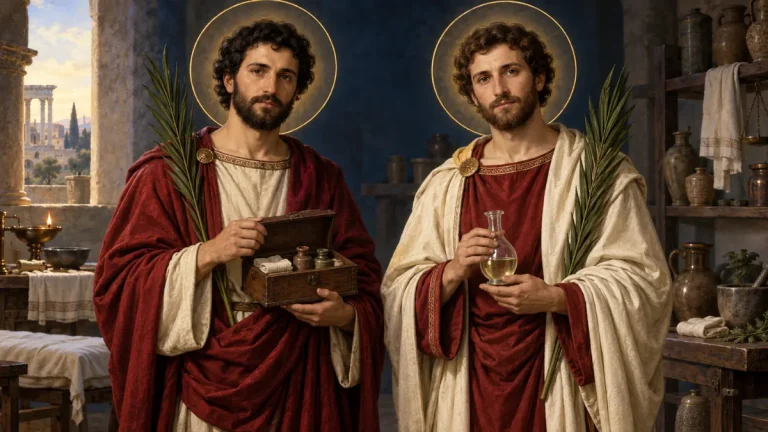
Saints Cosmas and Damian were Christian physicians who treated the sick without asking for payment. Their...
Read More →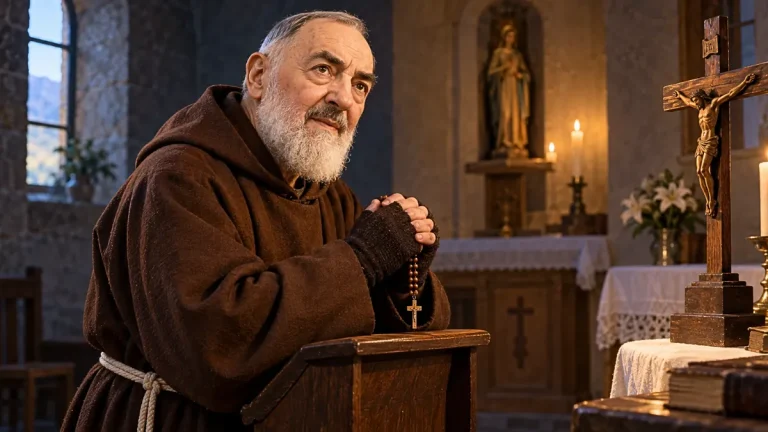
Saint Pio of Pietrelcina spent much of his life in one quiet friary, yet people travelled...
Read More →Choose one simple response after prayerful reading.